


Why Every Industry in Tamil Nadu Needs a Wastewater Treatment Plant in 2026

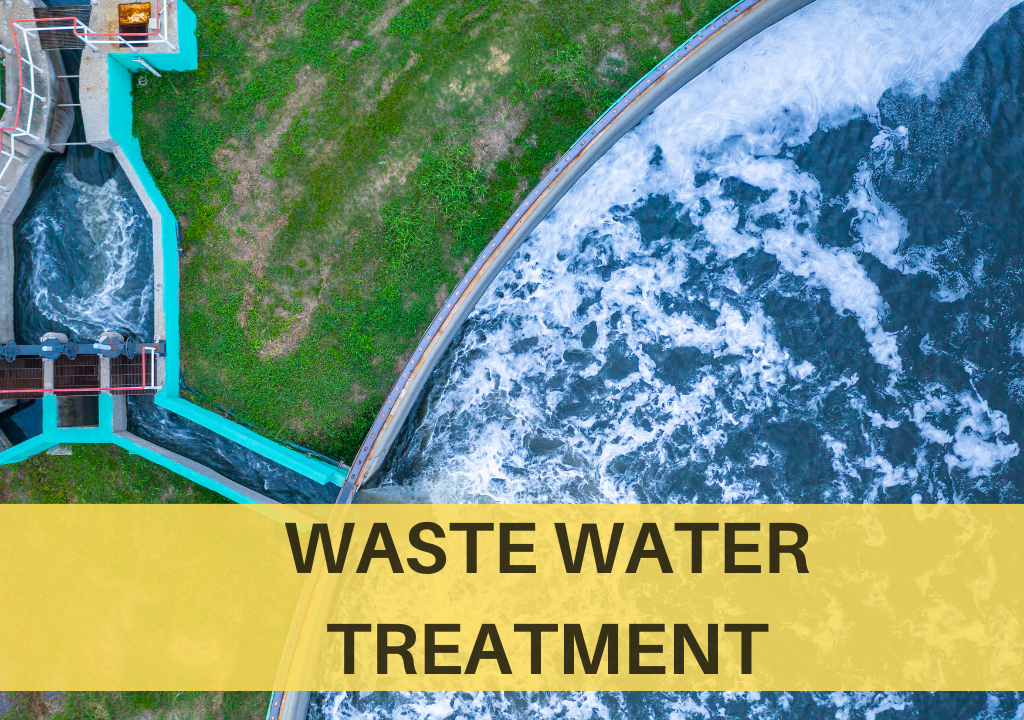
Why Wastewater Treatment Plants Are Essential for Industries in Tamil Nadu
Tamil Nadu is one of India’s leading industrial states, with major manufacturing hubs in Chennai, Coimbatore, Tiruppur, Hosur, Madurai, and Trichy. With rapid industrial growth, wastewater management has become a critical requirement for compliance, sustainability, and operational efficiency.
Today, installing a wastewater treatment plant in Tamil Nadu is not optional — it is mandatory for most industries under TNPCB regulations.
Industries That Require Wastewater Treatment Plants in Tamil Nadu
1️⃣ Textile Industries – Tiruppur, Erode, Karur
Textile dyeing and processing units generate high TDS and chemical effluents. These industries require:
Effluent Treatment Plants (ETP)
Zero Liquid Discharge (ZLD) Systems
Industrial wastewater recycling plants
Tiruppur especially has strict environmental norms requiring advanced wastewater treatment systems.
2️⃣ Automobile & Manufacturing Industries – Chennai, Hosur
Automobile hubs in Chennai and Hosur generate:
Oil-contaminated wastewater
Chemical process water
Industrial effluents
These industries require advanced industrial wastewater treatment plants to meet TNPCB discharge norms.
3️⃣ Pharmaceutical & Chemical Industries – Chennai & Cuddalore
Pharmaceutical and chemical companies require:
Effluent Treatment Plants (ETP)
Chemical neutralization systems
High-performance filtration systems
These industries must comply with strict environmental regulations in Tamil Nadu.
4️⃣ Food Processing Units – Dindigul, Coimbatore, Madurai
Food industries generate organic wastewater requiring:
Biological treatment systems
Sewage Treatment Plants (STP)
Water recycling systems
Installing a wastewater treatment plant reduces operational costs and improves sustainability.
5️⃣ IT Parks, Hospitals & Commercial Buildings – Chennai, Coimbatore
Commercial buildings and IT parks require:
Sewage Treatment Plants (STP)
Grey water recycling systems
Compact wastewater treatment units
With rising water scarcity, water reuse systems are becoming essential.
TNPCB Compliance – Mandatory for Industries
Tamil Nadu Pollution Control Board (TNPCB) requires industries to:
Treat wastewater before discharge
Install effluent monitoring systems
Maintain pollution control standards
Failure to comply can lead to heavy fines or closure notices.
That’s why companies across Tamil Nadu are actively searching for:
Wastewater treatment plant manufacturers in Chennai
Industrial ETP plant suppliers in Tamil Nadu
ZLD system providers in Tiruppur
STP plant installation in Coimbatore
Benefits of Installing Wastewater Treatment Plants
✔ Environmental compliance
✔ Water reuse & cost savings
✔ Sustainable industrial operations
✔ Improved corporate reputation
✔ Reduced freshwater dependency
✔ Avoid legal penalties
Major Cities in Tamil Nadu with High Demand
Industries across the following cities require wastewater treatment plants:
Chennai
Coimbatore
Madurai
Tiruchirappalli (Trichy)
Salem
Tiruppur
Erode
Hosur
Vellore
Thanjavur
Karur
Cuddalore
Dindigul
Tirunelveli
Looking for Wastewater Treatment Plant Installation in Tamil Nadu?
Whether you operate in:
Textile sector in Tiruppur
Automobile industry in Chennai
Manufacturing unit in Hosur
Commercial building in Coimbatore
Installing a reliable wastewater treatment plant ensures long-term operational stability and compliance.
Frequently Asked Questions (FAQ)
1️⃣ Is a wastewater treatment plant mandatory for industries in Tamil Nadu?
Yes. As per TNPCB (Tamil Nadu Pollution Control Board) regulations, most industries must install a wastewater treatment plant before discharging effluents. Non-compliance can lead to penalties, operational suspension, or closure notices.
2️⃣ Which industries in Tamil Nadu require an effluent treatment plant (ETP)?
Industries that typically require ETP systems include:
Textile and dyeing units (Tiruppur, Erode)
Automobile industries (Chennai, Hosur)
Chemical and pharmaceutical companies
Leather processing units
Food processing industries
These industries generate industrial wastewater that must be treated before disposal.
3️⃣ What is the difference between STP and ETP?
STP (Sewage Treatment Plant) treats domestic wastewater from apartments, offices, hospitals, and IT parks.
ETP (Effluent Treatment Plant) treats industrial wastewater containing chemicals, oils, and heavy contaminants.
Both are widely installed across Chennai, Coimbatore, Madurai, and Trichy.
4️⃣ What is Zero Liquid Discharge (ZLD) and why is it important in Tamil Nadu?
Zero Liquid Discharge (ZLD) is a treatment process where all wastewater is treated and reused without releasing any liquid waste. It is especially mandatory for textile industries in Tiruppur and other highly regulated zones in Tamil Nadu.
5️⃣ What is the average cost of installing a wastewater treatment plant in Tamil Nadu?
The cost depends on:
Capacity (KLD – Kiloliters per Day)
Type of industry
Level of contamination
Compliance requirements (TNPCB, ZLD norms)
Small STP systems may cost less, while industrial ETP and ZLD systems require higher investment.
6️⃣ Do wastewater treatment plant manufacturers provide installation across Tamil Nadu?
Yes. Most wastewater treatment plant manufacturers in Chennai serve major cities including:
Coimbatore
Madurai
Tiruchirappalli (Trichy)
Salem
Tiruppur
Hosur
Vellore
Erode
Turnkey installation and AMC services are usually available.
7️⃣ How long does it take to install a wastewater treatment plant?
Installation timelines depend on plant capacity and complexity. Small STP plants may take a few weeks, while large industrial wastewater treatment systems may take several months including design, fabrication, and commissioning.
8️⃣ Can treated wastewater be reused?
Yes. Treated wastewater can be reused for:
Gardening
Cooling towers
Industrial processes
Flushing systems
Landscaping
Water recycling significantly reduces freshwater consumption and operational costs.
9️⃣ Why is wastewater recycling important in Tamil Nadu?
Tamil Nadu faces water scarcity in many districts. Installing wastewater recycling systems helps industries reduce dependency on borewell and municipal water while supporting sustainable operations.
